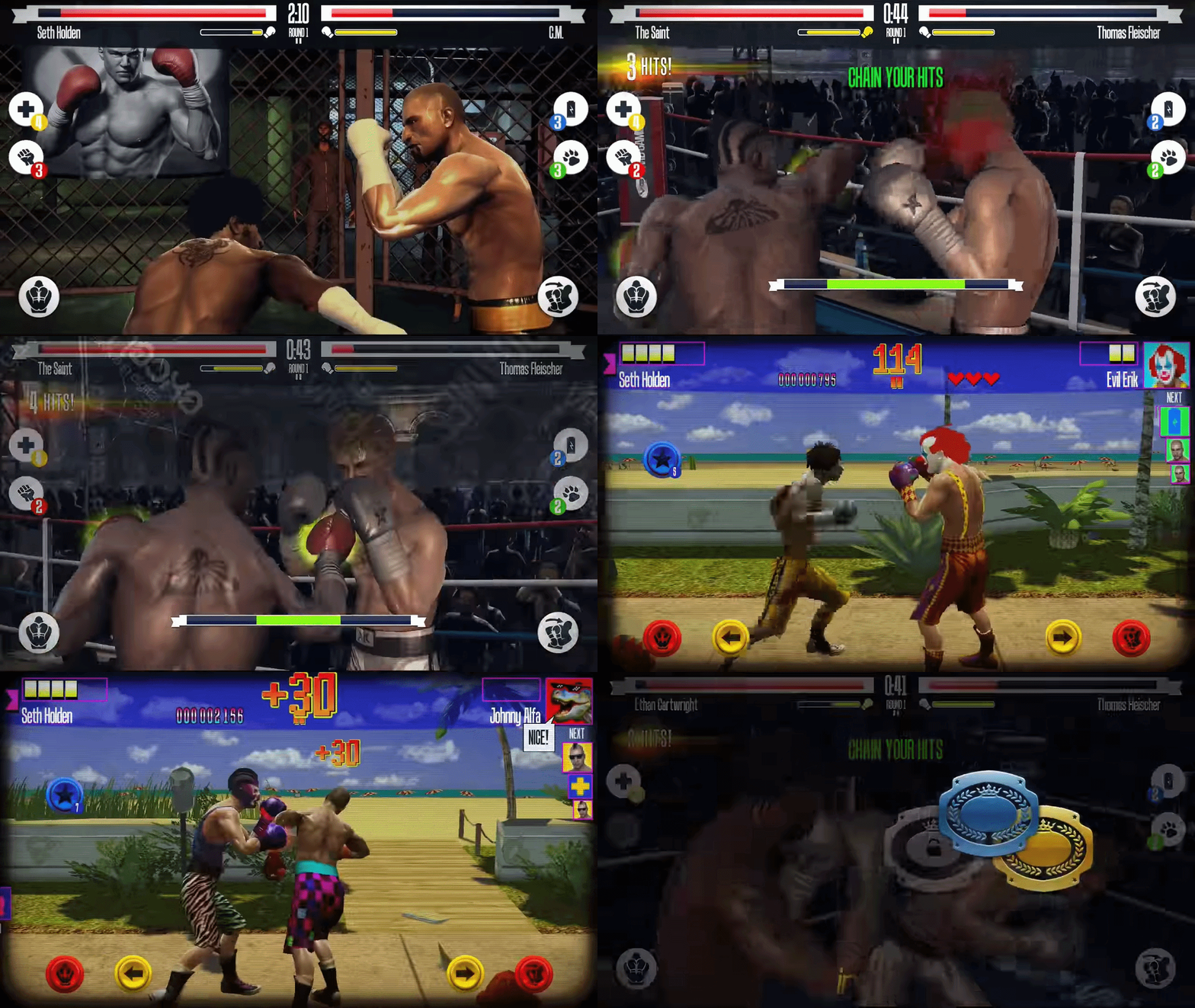
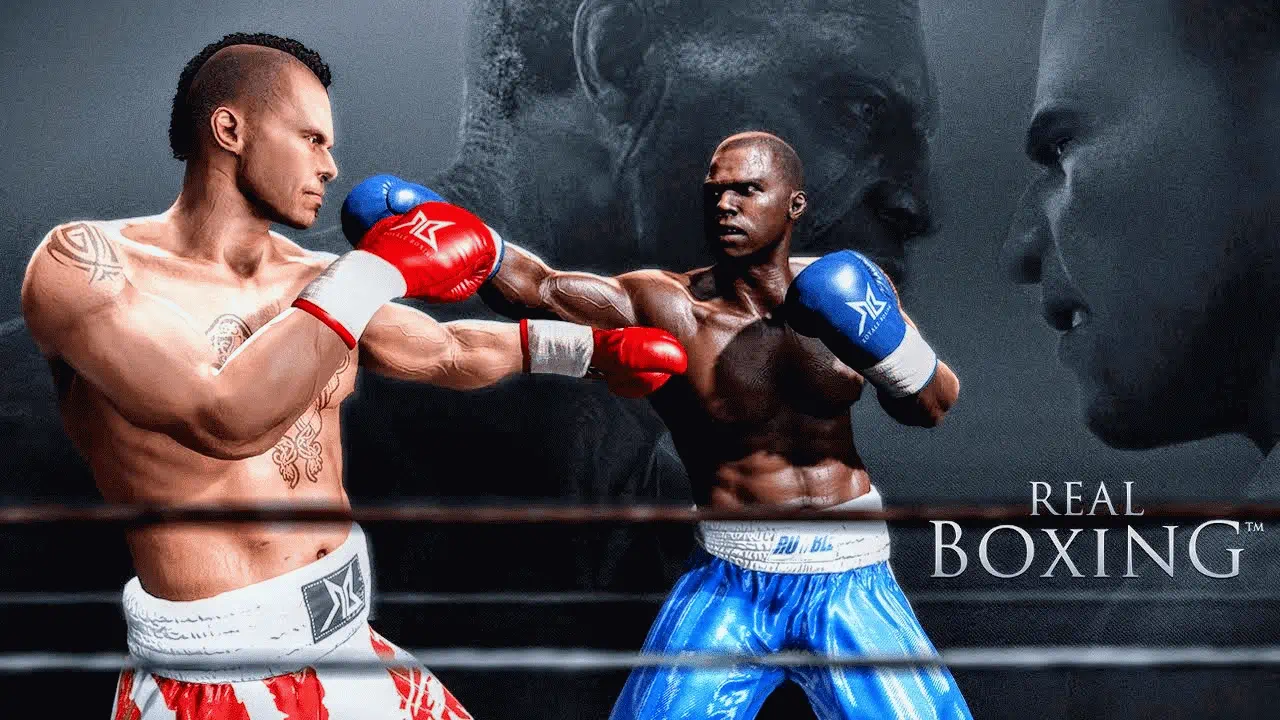
“It’s called Real Boxing for a very good reason, and it lives up to its name impeccably well.” — Touch Arcade, 4.5/5 “Real Boxing is an Unreal Engine-powered beauty.” — IGN “Real Boxing offers a console quality boxing app experience.” — 148 Apps, 4.5/5
Status: Live Role: Game Designer, Monetization Specialist Studio: Vivid Games Genre: Sports fighting Platform: iOS, Android, PC, Mac, PS Vita Engine & Tools: Unreal Engine 3 Contribution: Systems design for the free-to-play conversion, content design, live update cadence, analytics instrumentation
One free day
The studio transitioned Real Boxing from a premium title to a free-to-play model. I rebuilt the existing economy and designed the missing monetization systems
Real Boxing launched in 2012 as a premium mobile title. The original economy included a soft currency and optional coin packs. The studio relied on the upfront purchase price for revenue, treating the included soft currency and optional coin packs as secondary features.
A one-week free promotion on the App Store tested this architecture. Revenue from the coin packs during those seven days exceeded the combined income from premium sales and microtransactions of a standard paid week. That closed the argument about the business model. The title moved to free-to-play, and my job was to adjust the gameplay and systems around it.
We added new mechanics and monetization features to a mobile boxing game. The updates introduced advertising, power-ups, a lucky spin, new game modes, and player customisation.
Conversion relied entirely on organic traffic. Installs arrived on their own because there were no comparable boxing titles on mobile at the time.
We built the analytics pipeline question by question. We looked for specific methods to answer each new problem, using funnels, cohort analysis, segmentation, and basket analysis. The tools were unified later.
Case Study: Arcade mode
The update outsold every previous release. Outfit packs beat every past sales figure the title had posted. The revenue came in high enough that the lead analyst checked the reporting system for errors before accepting it.
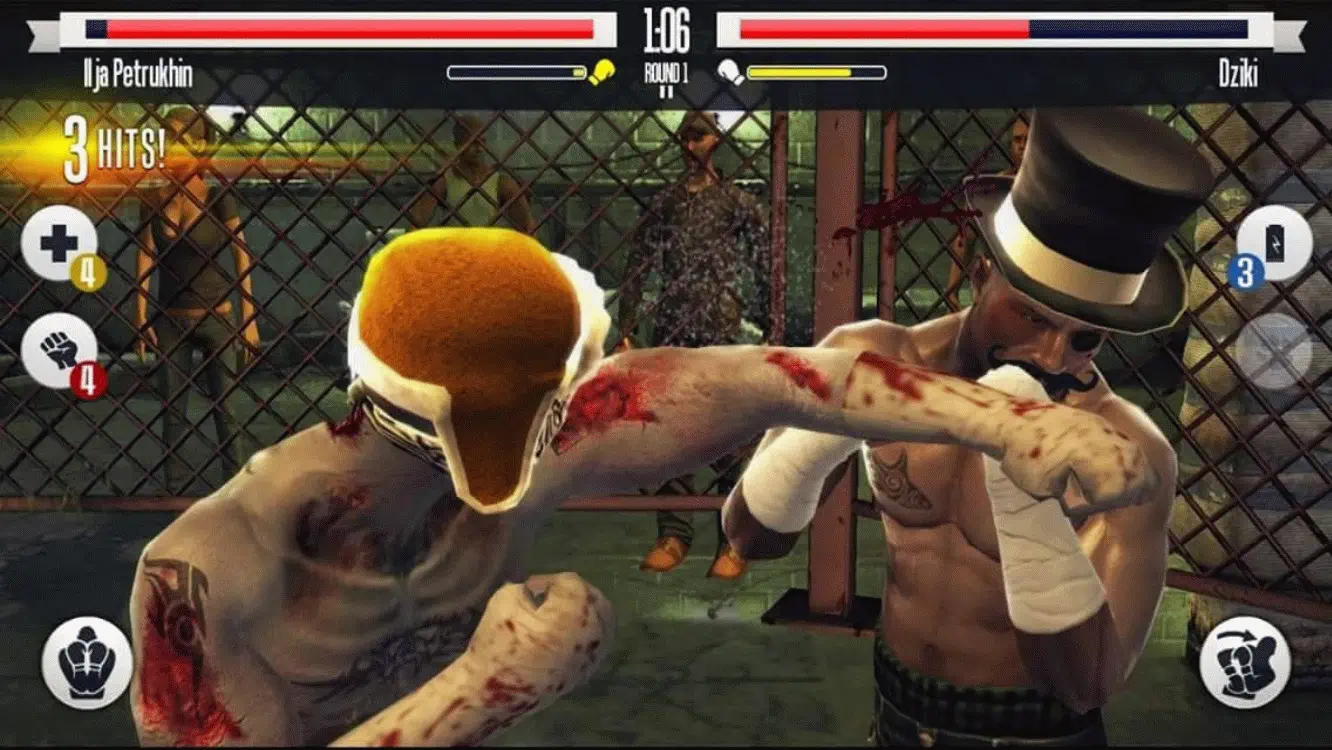
Free-to-play users played in short sessions. The original career mode required long playtime, and unskippable pre-fight cinematics created dead time.
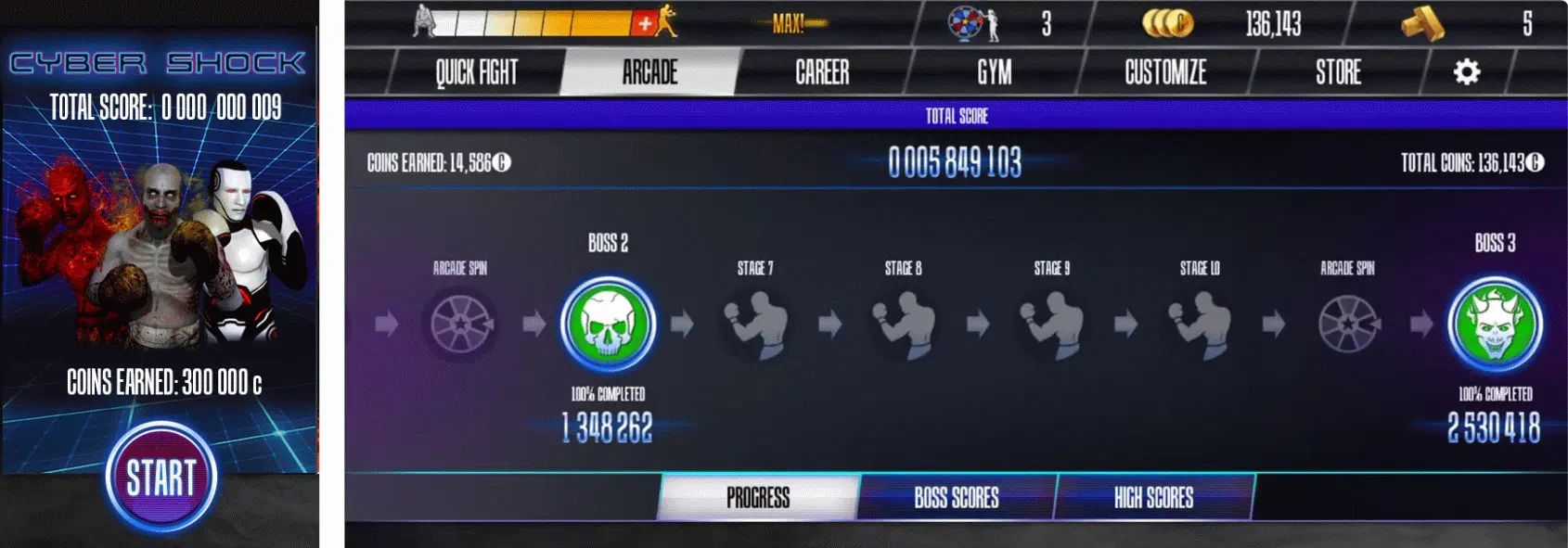
We built Arcade Mode for short sessions and added a fifteen-stage ladder called Cyber Shock. Players could earn every outfit through gameplay. We also sold the items in packs. Players bought the packs to skip the playtime required to unlock the gear.
We removed cinematics and reduced round length. The mode loaded directly into the fight. Opponents appeared in sequence with a boss at the top. Fights ran on a clock, and points from defeated opponents unlocked item rewards. We gave bosses custom behaviour and unique outfits.
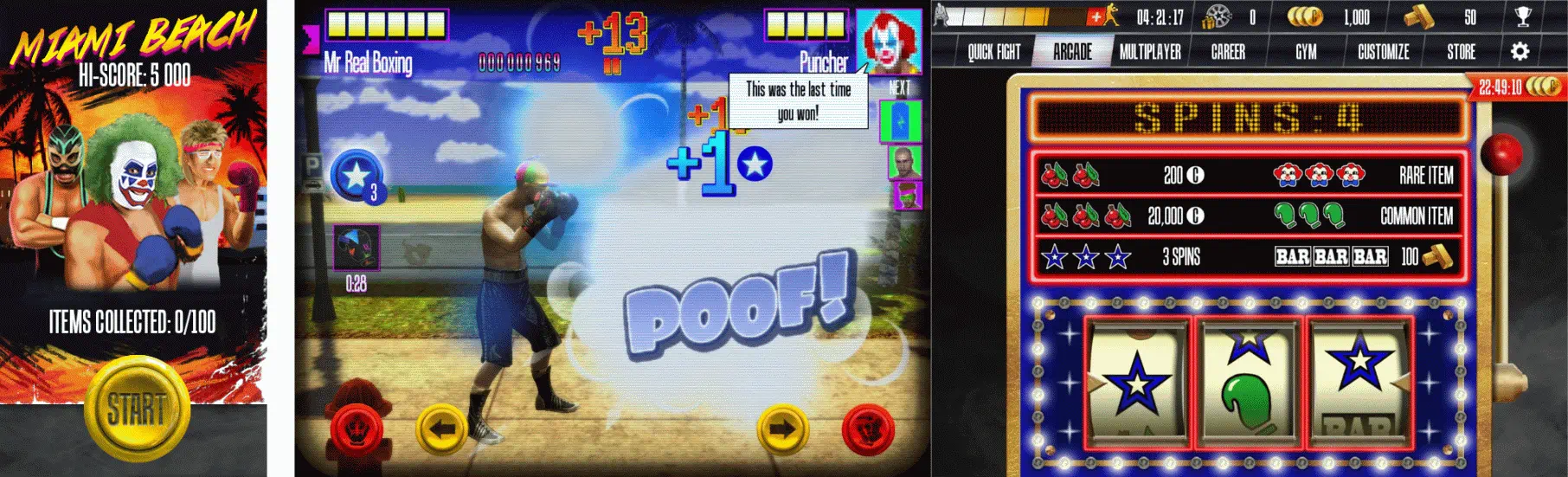
With “Miami Beach” We added a beat-’em-up mode. The player walked a boardwalk from left to right and knocked down opponents.
We reused existing movement code. The game had shipped on desktop before mobile, and the code allowing the boxer to walk remained in the build.
Players started posting screenshots and videos of the custom fighters they had built. They paired a glove earned from a ladder boss with boots won from a post-fight slot machine.
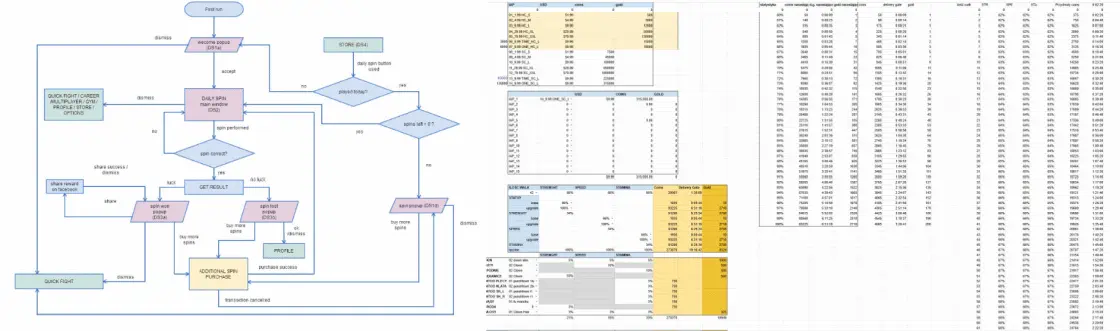
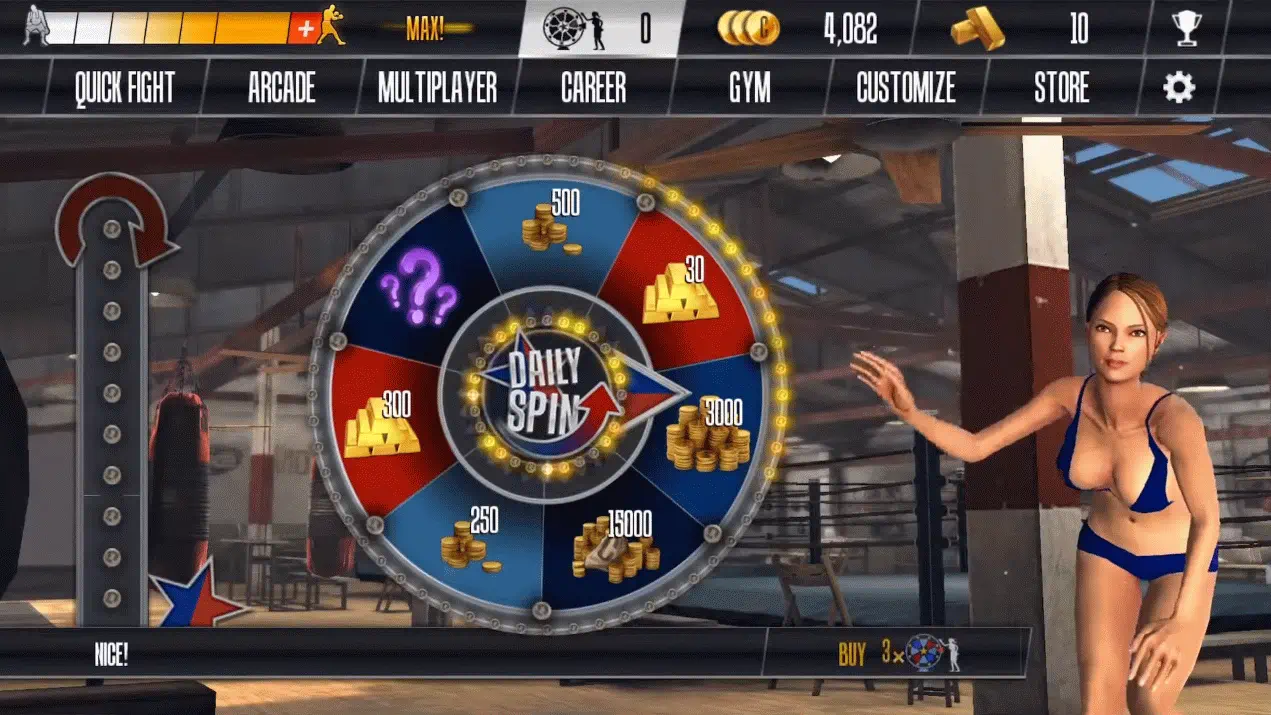
We built a retro slot-machine to distribute coins and gear. Players earned stars during a match. They spent the stars on immediate in-round boosts or saved them to buy spins on the machine after the bell.
We modelled the cabinet on mechanical pre-microprocessor machines. The reels displayed classic symbols like cherries and BAR, alongside a themed boxing glove.
What outlasted the build
That was as far as the build could take it.The build ran on a version of Unreal Engine 3 that predated official mobile support. Device architectures and operating systems eventually advanced beyond the code.
Live ops was not a term yet when we were doing this. We pushed an update every Thursday (and sometimes, two in a week when things were moving!) a larger update came once a month. Any question about the audience got answered by shipping something and reading what came back.
Those updates set my expectations for how fast a team should be able to decide something and how little ceremony it should take.
The title remains live fourteen years after launch. Retention and monetization climbed during the post-launch phase. The studio later on built two sequels: Real Boxing 2 and Real Boxing 3.
Jarek Wojczakowski Former VP & CTO, Vivid Games I really enjoyed working with Mateusz – he’s a talented designer full of fresh and creative ideas. Always open-minded, easy to work with, and able to turn concepts into great-looking designs. A true asset to any team!