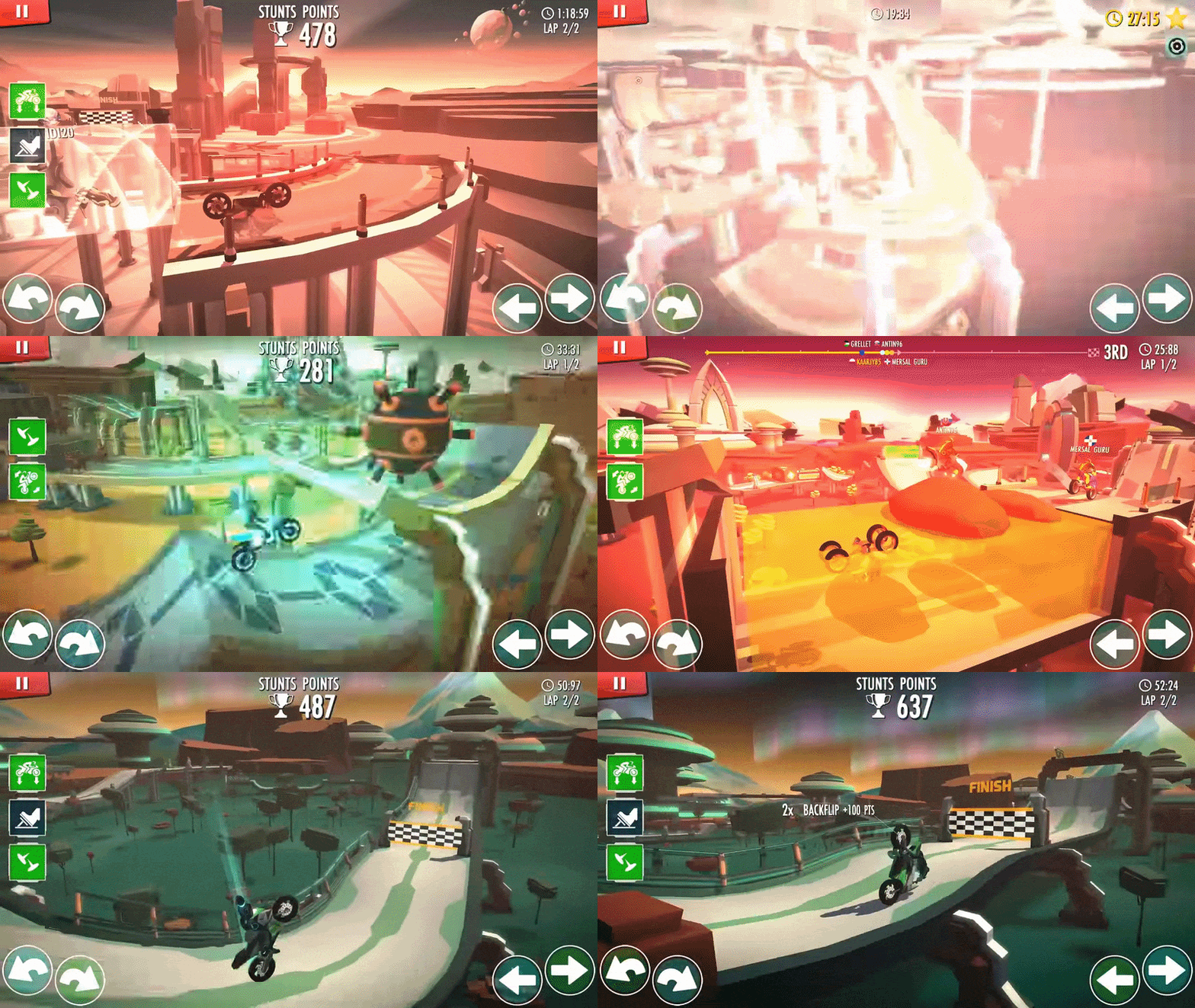
Gravity Rider: Space Bike Race 30M+ downloads, 1M in the first week. #3 free game in China at launch Google Play: 4.6/ 5 (113K reviews) · App Store: 4.7 / 5 “Gravity Rider … really is a visually impressive game” — TouchArcade “Moto: Hot Tracks looks pretty damned good” — Pocket Gamer, on the pre-release build “Despite being a Free To Play title, I found it highly addictive” — Infinite Frontiers
Status: Live, Released September 2018 Role: Game Designer, publishing team Studio: Fontes (Kraków), published by Vivid Games Genre: Physics racing, free-to-play Platform: iOS, Android, Nintendo Switch Engine & Tools: Fontes proprietary engine, Vivid analytics and monetization stack Contribution: FTUE design, dynamic difficulty adjustment, player segmentation, monetization design
Publishing Deal
Vivid Games announced the publishing deal for Moto: Hot Tracks on 31 July 2017. I reviewed the external prototype and pitched the title to the board.
The game required global distribution and a live-service layer. We also planned to change the art style before launch.
The prototype had a small file size and ran smoothly on low-end Android phones. The in-game camera stayed readable during flips, and the track layouts crossed over themselves.
Vivid Games reported almost six million players by June 2019. The original game launched globally in September 2018 and remains live today. The developer built two sequels on the same custom engine.
We secured internal funding after the first soft launch returned Day 1 retention between 30% and 40%. We ran ten soft launches in total.
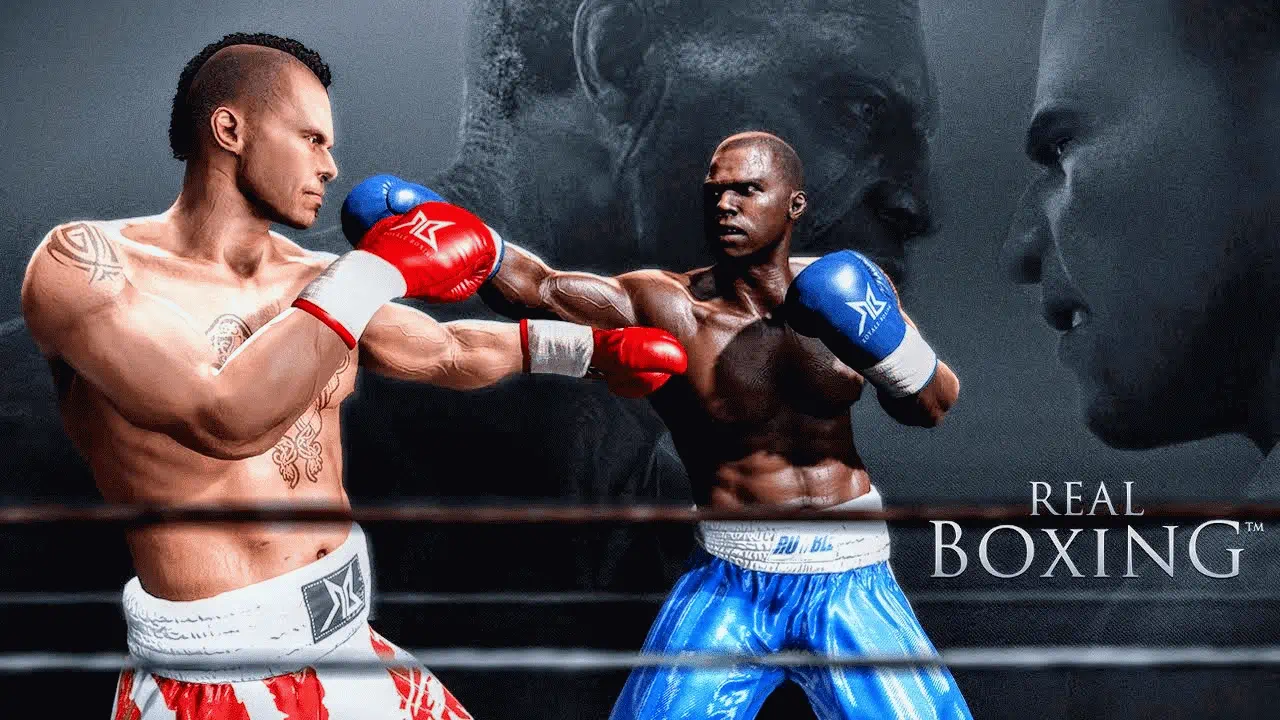
That initial build had no tutorial and no economy. We integrated the analytics events and the offer system directly from our previous title, Real Boxing.
Case Study: Predicting Churn
I designed an onboarding flow and a dynamic difficulty system that improved Day 7 retention. The systems reacted to obstacle retries, which predicted player churn days before standard metrics did.
We observed two groups of players with the same number of losses but opposite behaviours. One group retried a single obstacle repeatedly and returned the next day. The second group failed a few times and abandoned the game.
The dynamic difficulty system targeted the second group. It tracked retries and served easier tracks to players matching the churn profile.
We identified the exact failure points using a custom server tool. The engine programmer built a heatmap that logged the coordinates where players fell off the bike.
We also added an onboarding level to teach controls before the first timed race. Players who finished this section without mistakes and played a long initial session usually stayed for over a week.
The team expanded in late 2018 to build a collection-based meta-game. Two external consultants designed a system where players gathered bike parts and opened timegated chests.
I moved to an unannounced project when the production entered this stage. The soft launch phase established my baseline for player analytics. It taught me that a single well-defined in-game behavior can predict churn faster than complex retention reports.
Alex Petrus founder, Fontes I had the pleasure of collaborating with Mateusz on the development of the game Gravity Rider. Mateusz’s creativity and expertise as a game designer were instrumental in bringing the project to life. His innovative ideas, meticulous attention to detail, and dedication to delivering an exceptional gaming experience were evident throughout our collaboration. Mateusz is not only a skilled professional but also a fantastic team player. I highly recommend Mateusz for his outstanding contributions to game design and his ability to elevate any project he’s a part of.